
Discovering local live music is easier when you build a few dependable habits instead of waiting for a familiar headline name to appear. Small venues, promoters and support acts can introduce you to music that never reaches your usual playlist. The challenge is finding accurate information, choosing an evening that suits you and supporting the people making it happen.
This guide offers a practical discovery process rather than a list of confirmed upcoming gigs. Local programmes change, and an old review is not evidence of a current event. Use official venue, promoter and artist information to confirm the details before buying a ticket or making a journey.
Start with the rooms you can realistically reach
Make a short list of venues within a workable journey from home. Include the return trip, not just the outward distance. A small room with an interesting programme is less useful to you if the final service home leaves before performances normally finish.
Read the venue’s own description and recent listings to understand the range of events. Some spaces combine live bands, club nights, seated performances and community activities. Do not assume that enjoying one event means every night follows the same format. Note age restrictions, access arrangements and ticket procedures separately.
Follow a manageable set of reliable sources
Subscribe to a few venue or promoter newsletters where you actually want updates. Follow artists you have enjoyed, especially local support acts. Keep the list small enough that you notice new announcements instead of allowing every message to disappear into a crowded inbox.
When a listing appears through a third-party account, trace it back to the organiser. Check the date, year, address and ticket link. Reposted artwork can remain online after a cancellation or line-up change. A quick confirmation with the current source is more reliable than assuming a widely shared image is up to date.

Use support acts as a discovery route
Look at the artists appearing before the headliner and listen to a few tracks if recordings are available. Ask what draws you to the music: a voice, a rhythm, an instrumental sound or a particular kind of performance. This gives you a reason to try a set without demanding that every song already be familiar.
Arrive in time if you intend to hear the support. Check whether published times refer to doors or performance starts. If the schedule is unclear, ask the venue. Treat an early act as part of the programme rather than background to a conversation that makes it difficult for others to listen.
Try one unfamiliar event at a time
Set a modest discovery budget and choose a night with a practical route home. You do not need to commit to several events or buy expensive travel to explore a new style. A local programme can provide a low-pressure way to learn which performances interest you.
Go with a curious friend if that helps, but agree expectations in advance. Someone who wants to stand close to the stage may have a different evening in mind from someone who needs a seat and regular quiet breaks. Choosing a suitable format makes an unfamiliar event more enjoyable.
Ask about access before booking
If step-free access, seating, a quieter area or accessible facilities matter, contact the venue with specific questions. Ask about the route to the performance space and any arrangements for the particular night. A general label cannot describe every doorway, stair or viewing position.
Keep the response and confirm any required booking step. If a venue cannot meet an essential need, look for an alternative rather than treating discomfort as part of supporting local music. A useful music scene includes opportunities that people can actually attend.
Prepare for sound levels
Bring suitable hearing protection and learn how to fit it before the show. RNID’s advice for music listeners discusses choosing earplugs, moving away from speakers and taking quieter breaks. Planning these measures early is easier than deciding what to do after the room has become uncomfortably loud.
Choose a position that works for you and leave room to move. Respect others who need to step out or change places. Enjoying live music does not require standing at the loudest point in the room, and one evening’s enthusiasm should not override your longer-term hearing needs.
Support artists in ways that suit your budget
Buying a ticket through the stated channel is a straightforward start. If you enjoy an artist, look for their official recordings or merchandise and understand what you are purchasing. A small, considered purchase can be more useful to you than collecting items you do not want out of obligation.
Support can also mean listening attentively, recommending a performance accurately or following the artist’s own updates. When sharing photographs or clips, follow venue rules and respect requests from performers. Do not assume a ticket gives permission to distribute a complete recording of the show.
Keep a simple listening record
After an event, save the artist names and one or two notes about what you enjoyed. Add links to official pages rather than relying on a half-remembered spelling. A short record turns a single enjoyable support set into a path towards another performance.
Our music blogs guide offers starting points for exploring music coverage. Use reviews to discover perspectives and names, while checking current event information separately. A writer’s enthusiasm can introduce an artist, but it does not establish that a venue still has the same programme or facilities.
Build a sustainable gig habit
Review the practical side as well as the music. Was the journey manageable, did the ticket format work and was the event comfortable for your group? Use that information to choose the next night. It is better to attend occasionally with enthusiasm than to turn discovery into a demanding calendar obligation.
Local live music becomes easier to discover when each visit creates a few useful connections: a venue worth revisiting, a support act to follow or a promoter whose choices interest you. Keep the information reliable and the plans realistic. Over time, those modest habits can open a much wider listening world close to home.
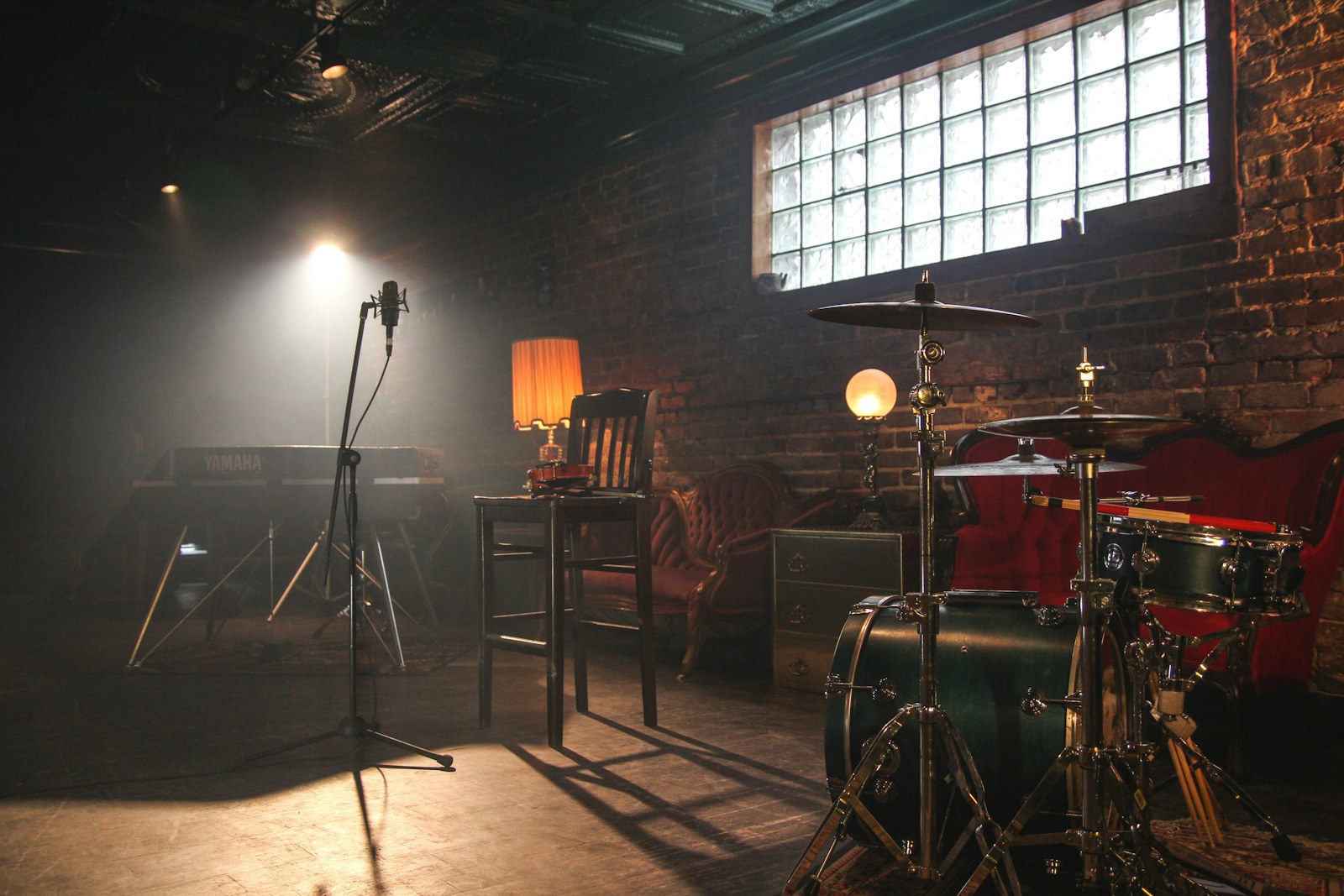
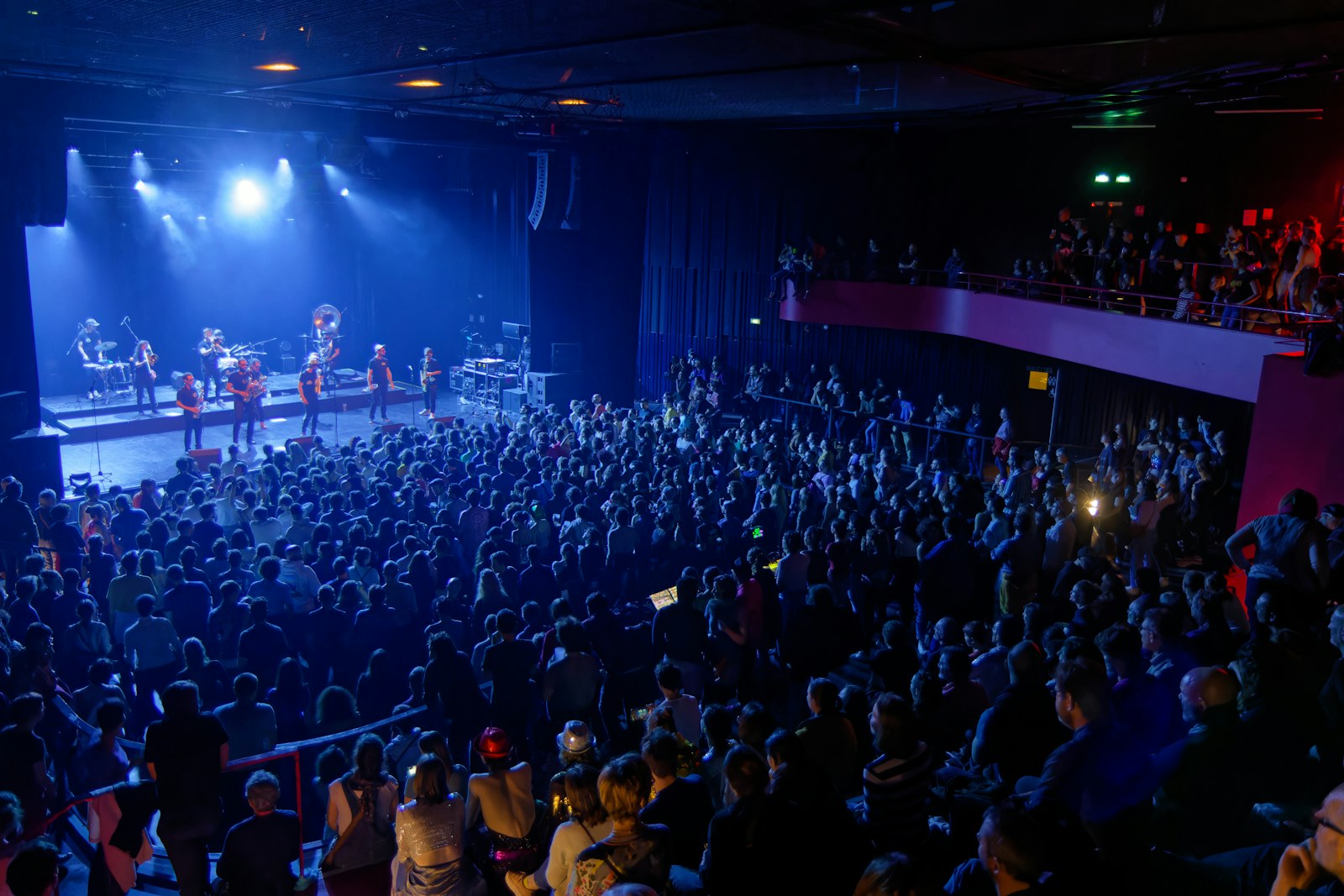
Featured photograph: John Matychuk / Unsplash. All photographs are illustrative stock images, not photographs of a specific Devon venue.
Leave a Reply